Ready-to-Drink Wellness: The Rise of Traditional Asian Tonics
Walk into a well-stocked grocery store, and the beverage aisle looks different from a decade ago. Beside sodas and sports drinks sit ginger shots, kombucha, herbal teas, and bottles with labels that borrow from Chinese, Japanese, Korean, and Southeast Asian traditions. Tonics that once had to be simmered for hours on a stove now come chilled, sealed, and ready to open.
What a tonic means in Asian food culture
In many Asian households, a tonic is a warm drink or soup prepared with ingredients such as ginger, goji berries, red dates, chrysanthemum, ginseng, or bird's nest. These drinks are often served at particular times, such as during seasonal changes, after an illness, or as a thoughtful gift. The word carries associations of balance and care rather than medical treatment, and families often pass down their own recipes.
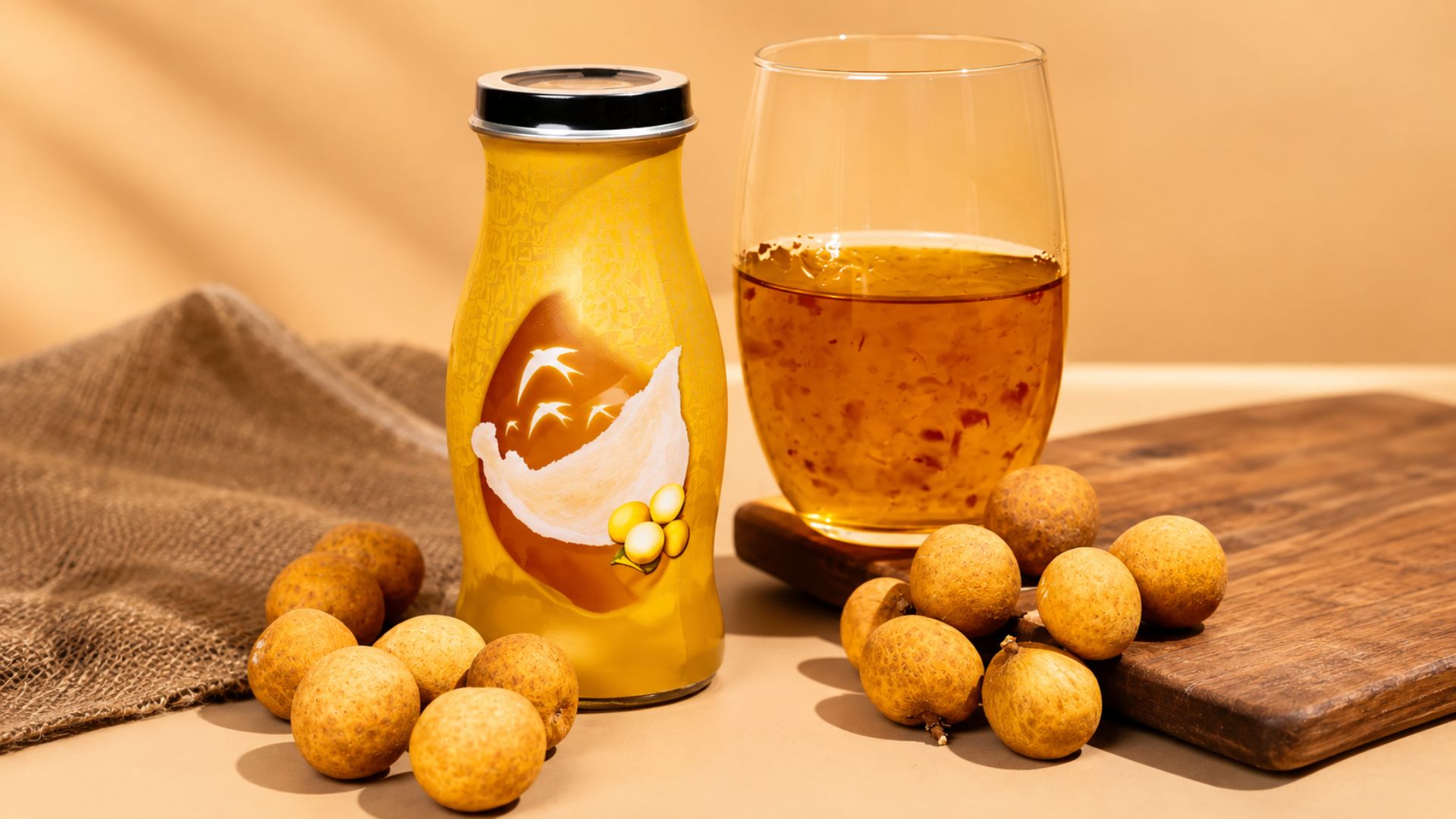
A bird nest drink offers a convenient way to enjoy this traditional ingredient without the hours of soaking, cleaning, and gentle cooking needed to prepare dried nests. Ready-made options, such as those in Golden Nest's bird nest drinks and soups collection, come in bottles that can be refrigerated and served with little preparation. Their convenience makes them suitable for everyday consumption, while their association with care and nourishment also makes them popular gifts. Parents give them to adult children, children give them to parents, and a bottle in a gift box can express thoughtfulness without requiring a homemade recipe or hours in the kitchen.
What are traditional herbal products?
The National Center for Complementary and Integrative Health, part of the National Institutes of Health, gives a plain summary of traditional Chinese medicine. The agency says studies of Chinese herbal products for a range of conditions have had mixed results, and because many studies have been of poor quality, no firm conclusions can be made about effectiveness.
On safety, the agency reports that some Chinese herbal products have been contaminated with toxic compounds, heavy metals, pesticides, and microorganisms; that some contained undeclared drugs or plant and animal material, and that manufacturing errors in which one herb was replaced with another have led to serious complications. The agency advises people to tell all their health care providers about any approach they use and not to use traditional medicine to replace or delay conventional care.
The agency also says that anyone who is pregnant or nursing, or who is thinking of using traditional medicine to treat a child, should be especially sure to consult a health care provider. The advice applies to herbal products and is a reasonable guide for any traditional tonic with health claims.
Why ready-to-drink tonics are growing
Market researchers see the trend clearly. IMARC Group, a market research firm, estimates that the global functional beverage market was worth about $151.7 billion in 2025 and expects it to reach $249.2 billion by 2034, a growth rate of 5.5 percent a year. Analysts attribute part of the growth to urban consumers who blend traditional ingredients with modern formats.
Several forces push in the same direction. Busy people want convenience, many are looking for alternatives to soda, and a younger generation of Asian Americans wants familiar flavors from home in forms that suit a modern routine. Retailers have followed, giving shelf space to drinks that would once have been found only in specialty shops. The trend also reflects a wider appetite for drinks with a story, since shoppers read about ingredients, ask where they come from, and try flavors from other cultures. The same demand brings more products of uneven quality, which is why labels and sources count. Smaller brands are entering the market too, often founded by people who grew up with these drinks and want to share them. The trend widens choice, but shoppers should still ask who makes a product, where it is made and whether it follows food safety rules, since a trendy label guarantees neither.
What is actually in the bottle
Ingredients vary widely, so read the label. A classic bird’s nest drink lists bird’s nest, water and rock sugar, and Golden Nest describes its Original drink as lightly sweetened with organic rock sugar and free of preservatives, artificial flavors and stabilizers. Other bottles add flavors such as lychee or goji berry, or a collagen blend, and the company’s FAQ says it also makes a sugar-free version.
The Nutrition Facts panel is the place to check sugar, since traditional drinks are often sweetened. Look at serving size, added sugars and the ingredient order, and remember that front-of-bottle phrases such as wellness, natural or premium do not have a fixed meaning. A short ingredient list with no unfamiliar additives is usually easier to evaluate. A ready-to-drink format also has to stay safe on the shelf, which usually means heat treatment, sealed packaging and a stated shelf life, and Golden Nest says its Original drink keeps for about three years but should be refrigerated once opened.
Trying one wisely
Start with one bottle, chilled, and treat it like a dessert drink or a gentle afternoon pick-me-up. Notice whether you like the taste and texture, and check how it fits into your daily sugar intake before turning it into a habit. Store it as the label directs and finish an opened bottle promptly.
Keep expectations realistic. A tonic can be a pleasant ritual, a link to a food tradition or a thoughtful gift, and those are good reasons to enjoy it. If you want help with a health concern, talk to a health care provider, and mention any tonic or supplement you use. Do not treat a tonic as a replacement for a meal, a medicine or a visit to the doctor. If you are pregnant or nursing, or thinking of giving a tonic to a child, the NIH advice to consult a provider applies, and the same goes for anyone who takes regular medication.